












Hibiclens in Canada: What It Is, How to Use It Safely, and When It Actually Helps
Hibiclens isn’t just another “antibacterial soap.” It’s a 4% chlorhexidine gluconate (CHG) skin cleanser used across hospitals, clinics, and—more and more—Canadian homes. If your surgeon told you to shower with Hibiclens before an operation, if a nurse recommended it for staph prevention, or if you’ve seen it on a pharmacy shelf and wondered whether it’s worth the price, this guide will walk you through what you actually need to know. You’ll learn when Hibiclens is useful, when it can do harm, how to use it step by step, what Canadian guidance says, and the common pitfalls that cause people to miss the benefit or irritate their skin.
We’ll also cover availability in Canada, alternatives if you can’t find the brand name, costs, and real-life use cases like preoperative showers, MRSA decolonization programs, and team sports hygiene. Along the way, expect clear safety warnings—eyes, ears, and mucous membranes are off-limits—and practical tips for our Canadian context, from winter-dry skin to hospital protocols in places like Toronto, Vancouver, Calgary, and Montreal.
What Is Hibiclens, Exactly?
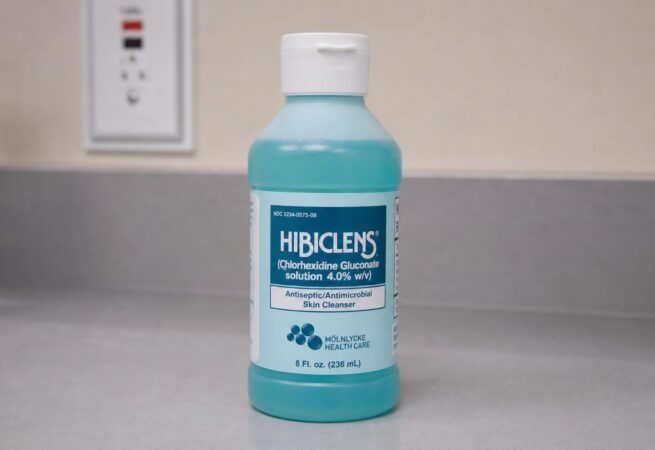
Hibiclens is a brand-name skin cleanser containing 4% chlorhexidine gluconate (CHG), a broad-spectrum antiseptic. CHG is widely used in healthcare because it binds to the outer layer of the skin, continues working for hours after a rinse, and reduces a range of microbes including many bacteria (like Staphylococcus aureus, including MRSA), some fungi, and some viruses. It is not a bleach, not an alcohol rub, and not a general-purpose body wash. It’s a medical-grade cleanser with specific do’s and don’ts.
In Canada, you’ll see both branded and generic CHG 4% washes at the pharmacy. Depending on the retailer and province, you might find Hibiclens itself, or an equivalent 4% chlorhexidine gluconate skin cleanser under another name. Any chlorhexidine 4% product marketed here should carry a Drug Identification Number (DIN) from Health Canada. The DIN tells you that the product formula and claims (like “antiseptic skin cleanser to help reduce bacteria on the skin”) have been reviewed. If you don’t see a DIN on a CHG cleanser label in Canada, that’s a red flag—choose another product.
How Chlorhexidine (the Active Ingredient) Works
Chlorhexidine has a cationic (positively charged) structure that binds to negatively charged sites on microbial cell walls. At lower concentrations, it disrupts cell membranes, causing leakage. At higher concentrations, it can precipitate cellular contents and kill the microbe outright. On human skin, chlorhexidine adheres to the stratum corneum. That’s why it provides persistent activity for hours, unlike a quick wash with ordinary soap. This “stickiness” is the core reason surgeons and infection control teams like it for preoperative skin cleansing and device care.
But the same properties that make CHG effective also require discipline. It’s easily inactivated by some anionic surfactants (common in many soaps and lotions), and it’s not meant for mucous membranes. It can also irritate sensitive or abraded skin. Used properly, it’s a strong tool. Used casually, it becomes an expensive soap—and occasionally a hazard.
Is Hibiclens Available in Canada?
Short answer: yes, but availability varies. Many Canadian pharmacies carry Hibiclens or an equivalent 4% chlorhexidine gluconate cleanser. You can check larger chains like Shoppers Drug Mart, Pharmasave, Guardian/IDA, London Drugs, or Rexall, and reputable online retailers that ship within Canada. Hospital supply stores and medical distributors may also stock it.
One quirk of the Canadian market: staff may point you to a generic or a different brand if “Hibiclens” isn’t on the shelf. That’s fine—what matters is the concentration (4% chlorhexidine gluconate) and that the label says antiseptic skin cleanser with a Health Canada DIN. If in doubt, ask the pharmacist to confirm the product is a 4% CHG body wash intended for skin antisepsis, not a 2% CHG in alcohol skin prep swab (a different product category) or a 0.12% CHG mouthwash (for dental use, never a body wash).
What Hibiclens Is For—and What It Isn’t
When Hibiclens Is Typically Recommended
Across Canadian hospitals, you’ll find CHG 4% washes used or recommended in several situations:
- Preoperative showers: surgeons often ask patients to shower with a CHG cleanser one or two times before surgery to reduce the skin bacterial load. Instructions vary by hospital; follow the exact plan your team gives you.
- MRSA or MSSA decolonization programs: some clinics prescribe daily CHG body washing plus intranasal mupirocin for a set number of days to lower staph carriage before surgery or within at-risk households.
- Outbreak control and sports hygiene: for certain recurrent skin infections—think contact sports teams—health professionals may include CHG washes in a broader hygiene plan (laundering, equipment cleaning, wound coverage, and behavior changes).
- Healthcare staff surgical scrubs: although alcohol-based hand rubs are now standard for most routine hand hygiene, CHG scrubs remain part of some surgical scrub protocols.
What It’s Not For
Hibiclens is not a cure-all. It’s generally not recommended for chronic daily use as a regular body wash, not a treatment for acne, eczema, or psoriasis, and not intended for shaving or intimate hygiene. It’s not for open wounds, punctures, or mucous membranes (mouth, nose, genitals). It should not go in your eyes or ears. If it gets into your eye, rinse with lots of water and seek medical advice if irritation persists. If it gets into the ear—especially if you have a perforated eardrum—seek care immediately due to the risk of ear damage.
Canadian Guidance and Safety Notes You Should Know
Health Canada and Canadian hospitals recognize chlorhexidine’s effectiveness but also caution against misuse. Here are core points that line up with common Canadian protocols and safety communications:
- Allergy risk: severe allergic reactions (including anaphylaxis) are rare but possible. If you’ve ever reacted to chlorhexidine—during a dental rinse, a skin prep, or a prior shower—do not use Hibiclens. Seek a healthcare professional’s advice for alternatives (povidone-iodine is often used instead).
- Infants and young children: CHG can irritate delicate skin, and case reports exist of chemical burns with prolonged contact on neonates. Many labels caution against use on infants under two months. In Canada, pediatric use should be directed by a healthcare professional.
- Eyes and ears: chlorhexidine can cause serious and potentially permanent injury if it enters the eyes or middle ear. Avoid the face unless you’ve been given specific instructions that exclude the eyes and ears.
- Inactivation by other products: CHG’s activity can be reduced by certain soaps, shampoos, and lotions. When you’re using it for preoperative cleansing or decolonization, follow the instructions to avoid conditioners, body oils, or lotions before and after as directed.
- DIN and labelling: Only buy CHG cleansers with a Health Canada DIN on the label and clear directions for skin antisepsis. This helps ensure you’re using a properly reviewed formula.
How to Use Hibiclens Safely: Step-by-Step
There’s a right way to use a CHG 4% cleanser that maximizes benefit and minimizes irritation. Your hospital’s instructions always come first. If you weren’t given specific directions, this general guide reflects common Canadian preoperative and decolonization practices:
Before You Start
- Remove all jewelry, watches, and piercings in the areas you’ll wash. CHG doesn’t penetrate beneath rings or bands.
- Shower or bathe with your regular unscented soap and shampoo first, then rinse thoroughly to remove residue. Turn off the water before applying Hibiclens so it isn’t diluted immediately.
- Do not use lotions, creams, deodorants, perfumes, hair products, or oils before or after the CHG wash unless your healthcare team says otherwise. These can neutralize chlorhexidine’s persistence on the skin.
Application
- Apply approximately 2–3 tablespoons of Hibiclens (or a similar 4% CHG cleanser) to a clean washcloth or your hands. Do not use on the face or near the eyes, ears, or genitals.
- Wash from the neck down. Pay attention to the armpits, folds, groin (external skin only), between fingers and toes, and any area where a surgical incision is planned. Use gentle, circular motions.
- Keep the lather in contact with your skin for at least 60 seconds per area. If water is on, turn it off or step out of the stream so the cleanser can work.
- Rinse thoroughly. Residue left in folds can cause irritation.
- Do not shave within 24 hours of surgery unless your care team instructs you; shaving can create micro-cuts that raise infection risk.
After the Shower
- Pat dry with a clean towel. Use fresh, clean clothing and clean bed linens. For preoperative showers, skip moisturizers or lotions afterward unless told otherwise.
- If your instructions include multiple showers (e.g., the night before and morning of surgery), repeat the exact process each time.
Common Mistakes That Undercut the Benefit
Even careful people miss a step. Here’s what frequently goes wrong—and how to fix it:
- Using regular soap right after Hibiclens: this can neutralize the chlorhexidine on your skin. If you need to shampoo, do it before, rinse thoroughly, then apply CHG from the neck down.
- Applying it to the face, eyes, ears, or genitals: don’t. If you have surgery on the face or head, your team will give specific alternatives for those areas.
- Not leaving it on long enough: it must contact the skin for about a minute to work well.
- Over-scrubbing: you don’t need to scour. Gentle coverage plus contact time is the goal.
- Using old washcloths or dirty towels after: re-introducing bacteria undermines the whole process.
- Adding lotions or deodorant right after pre-op showers: this can reduce CHG’s residual effect. Follow the pre-op protocol strictly.
What Does Hibiclens Kill?
Chlorhexidine is active against many Gram-positive and Gram-negative bacteria, including Staphylococcus aureus (MRSA and MSSA), Streptococcus species, and some Enterobacterales. It also affects some yeasts and enveloped viruses. It has limited activity against non-enveloped viruses, mycobacteria, and bacterial spores. That means it’s excellent for reducing the usual skin flora that can seed surgical site infections, but it’s not a substitute for sterile technique, antibiotic prophylaxis when indicated, or alcohol-based preps for certain procedures.
One practical implication: if you’re part of a staph decolonization program, CHG body washing is one piece of a larger routine that often includes intranasal mupirocin and laundering practices. If you’re prepping for surgery, CHG showers complement—but don’t replace—an operating room skin prep with alcohol/CHG or povidone-iodine and sterile technique.
Side Effects and Reactions: What to Watch For
Most people tolerate Hibiclens well, especially for short-term use. But there are legitimate risks and annoyances to watch:
- Skin dryness or irritation: more common in winter or in people with eczema. For non-surgical uses, you can moisturize after thoroughly rinsing and drying. For pre-op showers, skip moisturizers unless your surgeon says otherwise.
- Contact dermatitis: red, itchy patches that may require stopping the product and switching to an alternative.
- Allergic reactions: hives, swelling, wheezing, dizziness, or trouble breathing—stop use and seek emergency care. Inform medical providers you may have a chlorhexidine allergy for future procedures.
- Eye injury: burning, redness, pain, or vision changes after accidental exposure—rinse with water for at least 15 minutes and seek medical help.
- Middle ear injury: if you suspect CHG entered the ear or you have ear pain, ringing, or hearing changes, get medical attention. Don’t use CHG if you have a perforated eardrum unless your clinician explicitly instructs you.
Hibiclens vs. Other Antiseptics: What’s the Difference?
In Canadian hospitals, three big categories come up: chlorhexidine (CHG), povidone-iodine (PI), and alcohol-based products. For home use, you’ll mainly compare CHG washes with ordinary antibacterial soaps and povidone-iodine solutions. Here’s a straightforward comparison to ground your choice. Remember: for surgery or medical protocols, your care team’s preference always wins.
| Antiseptic | Typical Home Use | Pros | Cons |
|---|---|---|---|
| Chlorhexidine gluconate 4% (Hibiclens/CHG wash) | Pre-op showers, MRSA decolonization, targeted hygiene | Persistent activity on skin; strong against many bacteria; easy shower routine | Eye/ear hazard; can be inactivated by some soaps/lotions; possible irritation/allergy |
| Povidone-iodine (e.g., 7.5–10%) | Skin prep for small procedures; alternative if CHG allergy | Broad-spectrum; familiar; less risk of inactivation by lotions | Can stain skin and fabrics; some iodine sensitivity; less residual effect on skin |
| Alcohol-based (e.g., 70% isopropyl with CHG 2%) | Clinics for skin prep before injections or lines | Rapid kill; widely used clinically | Not a shower product; flammable; drying; not for large open skin areas at home |
| “Antibacterial” consumer soaps | Everyday washing | Cheap and familiar | Limited persistent effect; not equivalent to CHG for pre-op or decolonization |
Preoperative Showers: What Canadian Hospitals Commonly Recommend
While details vary, many Canadian centres ask patients to complete one or two CHG showers before surgery. A common pattern:
- Shower 1: Evening before surgery, full-body CHG wash from the neck down, following the steps above. Clean pajamas and linens afterward.
- Shower 2: Morning of surgery, repeat CHG wash. No lotions, deodorants, or makeup. Put on clean clothes.
For specific guidance, your hospital will provide a handout or online instructions. Facilities in Ontario (via Public Health Ontario resources), British Columbia (BC Centre for Disease Control materials), Quebec (through hospital-specific patient education, sometimes linked with INESSS guidance), and Alberta commonly distribute standardized pre-op CHG instructions. If you’re unsure, contact the surgical clinic. They’ll prefer you ask rather than guess.
MRSA/MSSA Decolonization Programs at Home
Some patients—especially those with a history of staph infections, joint replacements, or cardiac surgeries—are asked to complete a decolonization program. A typical program includes:
- CHG body washing daily for 5 days (sometimes 3–7 days depending on the clinic)
- Intranasal mupirocin ointment twice daily for the same period
- Laundering towels, bed linens, and clothing after showers
- Cleaning high-touch surfaces and personal items (razors, athletic gear)
If you’re in this group, don’t improvise. Get written instructions from your clinic and follow them word-for-word. In Canada, these protocols are adapted by hospitals and regional health authorities to match local epidemiology and resources, but the core principles are consistent.
Can You Use Hibiclens for Everyday Skin Problems?
Acne and Folliculitis
Hibiclens is not an acne medication. While it can reduce surface bacteria temporarily, acne is driven by multiple factors (follicular plugging, sebum, inflammation). Overusing CHG as a daily cleanser can irritate the skin and may worsen breakouts over time. For folliculitis (inflamed hair follicles), brief, targeted use might be suggested by a clinician, but this is case-by-case. In Canada, you can access non-prescription benzoyl peroxide or seek a primary care provider/dermatologist for tailored treatment rather than relying on Hibiclens long term.
Eczema, Psoriasis, and Sensitive Skin
These conditions already compromise the skin barrier. CHG can sting and worsen dryness. Unless a clinician has a specific reason, it’s usually better to stick to gentle, fragrance-free cleansers and moisturizers. For flare-ups, follow your treatment plan; for suspected infection, see a clinician.
Wound Care
Don’t use Hibiclens in open wounds. Chlorhexidine is cytotoxic to healing cells at higher concentrations and can delay healing when poured into cuts or surgical wounds. Normal saline or other wound-specific solutions are usually preferred. Washing intact skin around a wound may be part of a plan, but that’s different than irrigating a wound with CHG. If in doubt, ask a pharmacist or wound care nurse—both are easy to find across Canadian clinics and community care programs.
Sports, Gyms, and Team Settings: Does Hibiclens Help?
For contact sports—wrestling, rugby, hockey—skin infections can spread quickly. A CHG wash can be part of a prevention plan during outbreaks or after confirmed cases of MRSA. But it’s not a magic shield. You still need to:
- Shower immediately after practice or games with regular soap if CHG isn’t specifically directed
- Launder gear, towels, and uniforms frequently
- Cover cuts and scrapes with clean dressings
- Stop sharing razors, towels, and personal items
- Clean equipment and mats as part of the facility’s infection control routine
If a team or school in Canada recommends Hibiclens, they usually coordinate with public health or sports medicine staff. Ask for a clear, time-limited plan and instructions that make sense for your schedule and resources. A routine that’s too complicated rarely gets done.
Pregnancy and Breastfeeding
CHG 4% skin cleansers are used in obstetric contexts (e.g., preoperative cleansing before a C-section), but any use in pregnancy or while nursing should follow clinician advice. Avoid the breasts during washing if you’re breastfeeding, and rinse thoroughly. If you’re scheduled for a procedure, your team will give exact directions based on current best practices at your hospital.
Hibiclens and the Canadian Winter
Canadian winters are dry, and CHG can add to that dryness. If you’re using Hibiclens outside of a preoperative protocol, moisturize after you rinse and dry, using a simple, fragrance-free cream. For pre-op showers, don’t moisturize unless your surgeon approves, since lotions can interfere with CHG’s residual effect. If your skin cracks easily in winter, mention it during your pre-admission clinic visit; there may be workarounds to protect your skin while still achieving the antimicrobial benefit.
Cost, Where to Buy, and What to Look For in Canada
Prices vary by size, brand, and province. As a general guide, a small bottle of a 4% chlorhexidine gluconate skin cleanser might land in the CAD $12–$25 range, with larger bottles proportionally more cost-effective. You’ll find it at:
- Chain pharmacies: Shoppers Drug Mart, Rexall, Pharmasave, Guardian/IDA, Jean Coutu, London Drugs
- Independent pharmacies: often willing to order it in if not on the shelf
- Online retailers: ensure Canadian shipping and a visible Health Canada DIN on the product page or packaging
- Medical supply stores: common in larger cities and near hospital districts
Verification checklist:
- Label says chlorhexidine gluconate 4% w/v
- Intended use: antiseptic skin cleanser (not mouthwash, not prep pads only)
- Health Canada DIN present on the label
- Clear instructions, warnings, and expiry date
Hibiclens vs. “Generic CHG 4%”: Does the Brand Matter?
Clinically, the key is the active ingredient and concentration: chlorhexidine gluconate 4% in a properly formulated cleanser. Many Canadian hospitals use whatever CHG 4% product is on formulary. For home use, pharmacists often recommend a generic CHG 4% at a lower price. The brand may differ in fragrance, viscosity, and packaging, but the core antiseptic action should be comparable if the product has a DIN and is used correctly.
Staining, Surfaces, and Laundry Tips
Chlorhexidine can bind to some fabrics and plastics and may cause brownish staining, especially when it comes into contact with bleach (sodium hypochlorite). A few practical tips:
- Rinse showers and sinks after use; don’t let pools of product sit
- Use dark or old towels if staining is a concern during a multi-day protocol
- If a spill happens on fabric, rinse promptly with water before any bleach-containing product is applied
Household Safety and Storage
- Keep out of reach of children. Hibiclens is not for ingestion.
- Store at room temperature; do not freeze. Check the expiry date—expired antiseptics aren’t worth the risk.
- If you decant into a smaller container for travel to the hospital, label it clearly and keep the original bottle for reference.
Real-World Canadian Scenarios
Scenario 1: Hip Replacement in Toronto
Your surgeon’s office emails a pre-op packet: two CHG showers—one the night before, one the morning of. You pick up a 4% CHG cleanser at a Shoppers Drug Mart on Bloor. You remove your watch and rings, do your usual shampoo and body wash, rinse, then apply the CHG from the neck down, focusing on the hip and groin folds, letting it sit for a minute before rinsing. Fresh pajamas, fresh linens. Repeat in the morning. No deodorant, no lotion. You arrive at the hospital knowing you’ve checked the pre-op hygiene box correctly.
Scenario 2: MRSA in a Vancouver Rugby Club
After a few players develop boils confirmed as MRSA, the team physician works with the local public health unit. For affected players and their close contacts, a five-day regimen is recommended: daily CHG body wash, intranasal mupirocin, and strict laundering and equipment cleaning. Healthy players not in the targeted group stick to regular soap, better wound coverage, and no shared towels. The outbreak settles.
Scenario 3: Sensitive Skin in Calgary Winter
You’ve been asked to use Hibiclens for three days before a minor procedure. Your skin tends to crack in January. You follow the CHG instructions exactly, but after each rinse you gently pat dry and avoid lotions until after the final shower and procedure are done. You use a humidifier at home and switch to a fragrance-free moisturizer once you’re cleared to resume your usual routine.
If You Can’t Use Chlorhexidine
If you have a known chlorhexidine allergy or develop a reaction, tell your care team immediately. Alternatives include povidone-iodine washes or different preoperative skin prep strategies. Most Canadian hospitals have protocol variants for CHG-allergic patients—this isn’t rare in planning, and staff know how to adapt.
Frequently Misunderstood Points
- “If a little is good, a lot is better.” Not true. More product doesn’t equal more effectiveness. Coverage and contact time matter more than a thick lather.
- “I should use Hibiclens forever.” No. Most people only need it short-term for a specific reason. Long-term daily use can irritate skin and isn’t shown to help general health.
- “It’s fine to use on my face.” Please don’t. CHG in the eyes can be dangerous. Use a gentle facial cleanser unless you have very specific medical instructions.
- “Hibiclens will prevent all infections.” It reduces risk, not eliminates it. Think of it as a smart layer in a bigger safety system.
What Canadian Professionals Want Patients to Know
From surgeons to infection control nurses across provinces, the message is consistent: CHG 4% washes are effective when used as part of a protocol. That means correct timing, avoiding products that reduce its effect, and protecting sensitive areas like eyes and ears. Pharmacists are a great first stop if you’re unsure about what to buy or how to use it. If instructions conflict between a bottle label and your hospital sheet, the hospital sheet wins for your case—protocols are tailored to the procedure and local practices.
Step-by-Step: A Simple Pre-Op Hibiclens Checklist
- Buy a 4% chlorhexidine gluconate skin cleanser with a Health Canada DIN.
- Read both the bottle label and your hospital’s instruction sheet.
- Night before surgery: remove jewelry, shampoo and soap normally, rinse; turn off water; apply CHG from neck down; wait 1 minute per area; rinse thoroughly; dry with a clean towel; put on clean pajamas; use clean sheets.
- Morning of surgery: repeat steps. Skip deodorant, lotions, perfumes, makeup, and hair products.
- If you notice rash, hives, wheezing, swelling, or dizziness: stop and seek medical advice.
Environmental and Community Considerations
While overuse of antibiotics drives resistance, chlorhexidine has also raised stewardship questions in healthcare due to potential for reduced susceptibility in some organisms when used broadly. For personal use in Canada, follow time-limited, targeted indications (e.g., pre-op showers) rather than daily indefinite use. This balances individual benefit with broader public health stewardship.
Troubleshooting: If Something Goes Wrong
- Burning or stinging right away: rinse thoroughly, stop using, and contact a pharmacist or clinic. It may be sensitivity or an early allergic response.
- Rash after day one: document with a photo and get advice. An alternative plan may be better.
- Accidental eye splash: flush with water for at least 15 minutes; remove contact lenses; seek care if symptoms persist.
- Ear exposure: if you suspect solution entered the ear canal, especially with a known eardrum perforation, seek medical care promptly.
- No product available: call the surgical clinic or ask the pharmacy for an equivalent 4% CHG with a DIN. Many hospitals can advise substitutes.
Who Should You Ask for Help in Canada?
- Pharmacist: for product selection, availability, and usage clarifications.
- Surgical clinic nurse: for pre-op protocol specifics, timing, and troubleshooting.
- Primary care provider or walk-in clinic: for skin reactions or if you suspect infection.
- Public health unit or sports medicine clinician: for team or outbreak guidance.
Balanced Takeaway
Hibiclens—more accurately, chlorhexidine gluconate 4% skin cleanser—is a proven, practical way to reduce microbes on the skin when it matters: before surgery, during staph decolonization, and in some targeted hygiene plans. It’s not a daily body wash, not a fix for every rash, and not safe for eyes, ears, or open wounds. Used correctly, it adds a reliable layer of protection. Used casually, it’s just another soap—sometimes a harsh one.
Your best move? Use it for a clear reason, follow Canadian hospital-style instructions, buy a product with a Health Canada DIN, and ask a pharmacist when in doubt. That approach will give you the benefit without the headaches.
FAQ
Is Hibiclens the same as chlorhexidine?
Hibiclens is a brand name for a 4% chlorhexidine gluconate skin cleanser. In Canada, you may see Hibiclens or other brands with the same active ingredient and concentration. What matters is that it’s a 4% CHG antiseptic skin cleanser with a Health Canada DIN.
Can I buy Hibiclens over the counter in Canada?
Yes. CHG 4% washes are non-prescription, though some pharmacies keep them behind the counter. Ask at the pharmacy if you don’t see it on the shelf. A pharmacist can point you to equivalent products if “Hibiclens” isn’t stocked.
How much should I use per shower?
Most pre-op protocols use a few tablespoons (roughly 30–45 mL) per shower to cover from the neck down. Focus on coverage and contact time (about a minute per area), not a thick foam.
Can I use Hibiclens on my face?
No. Avoid the face, especially eyes and ears. If facial cleansing is needed for a head or neck procedure, your surgical team will provide specific instructions and alternatives.
What if I’m allergic to chlorhexidine?
Do not use Hibiclens. Tell your healthcare providers. Alternatives like povidone-iodine are commonly used for patients with CHG allergy in Canadian hospitals.
Does Hibiclens kill MRSA?
Chlorhexidine is effective against MRSA on the skin’s surface and is commonly used in decolonization programs and pre-op showers to reduce MRSA and MSSA burden. It does not treat active deep infections; that requires medical evaluation and, if needed, antibiotics and wound care.
Can I moisturize after using Hibiclens?
For routine, non-surgical uses, moisturizing after you rinse and dry can help prevent dryness. For pre-op showers, skip lotions and deodorants unless your surgeon says otherwise.
Is Hibiclens safe during pregnancy?
CHG 4% washes are used in obstetric settings for pre-op skin cleansing. For personal use during pregnancy or while nursing, follow clinician advice. Avoid the breast area if breastfeeding, and rinse thoroughly.
Do I need to use Hibiclens more than once before surgery?
Many Canadian centres recommend two showers (night before and morning of surgery), but protocols vary. Always follow your hospital’s instructions.
Can I use regular soap with Hibiclens?
Yes, but timing matters. Use your regular soap and shampoo first, rinse thoroughly, then apply Hibiclens from the neck down. Don’t apply lotion or deodorant afterward if you’re prepping for surgery.
What if I can’t find Hibiclens brand in my city?
Ask the pharmacist for a 4% chlorhexidine gluconate antiseptic skin cleanser with a Health Canada DIN. Generics are widely available across Canada.
Does Hibiclens expire?
Yes. Check the expiry date on the bottle. Don’t use expired antiseptics; replace the product if it’s past its date.
Can I use Hibiclens on children?
Use only under healthcare guidance. Many labels caution against use in infants under two months and advise caution on young children due to skin sensitivity. If a child needs pre-op cleansing, follow the hospital’s pediatric instructions exactly.
Will Hibiclens stain my towels?
It can, especially if it contacts bleach. Rinse well after use and consider using older or dark towels during multi-day protocols.
Is Hibiclens the same as the brown iodine soap?
No. The “brown” soap is usually povidone-iodine. Both are antiseptics, but they work differently and have different pros and cons. If you have a chlorhexidine allergy, povidone-iodine is a common alternative.
Can I use Hibiclens for shaving nicks or cuts?
No. Don’t pour Hibiclens into cuts or open wounds. Rinse minor nicks with clean water and use first aid as usual. If you’re prepping for surgery, avoid shaving unless instructed.
What should I do if Hibiclens gets in my eye?
Flush with water for at least 15 minutes and seek medical advice if irritation persists. Do not delay—eye exposure can be serious.
Do lotions and deodorants really interfere with Hibiclens?
They can. Some products reduce CHG’s residual effect. For pre-op showers and decolonization programs, avoid lotions, oils, and deodorants unless your care team says otherwise.
Who can I ask if my instructions are unclear?
In Canada, start with your pharmacist or contact the surgical clinic. They can clarify product selection, timing, and any hospital-specific rules.
Bottom line—do I need Hibiclens?
If your Canadian healthcare team recommends a chlorhexidine 4% wash for a concrete reason—pre-op, decolonization, outbreak management—it’s worth using it correctly. Otherwise, for everyday hygiene, a gentle regular soap is usually all you need.