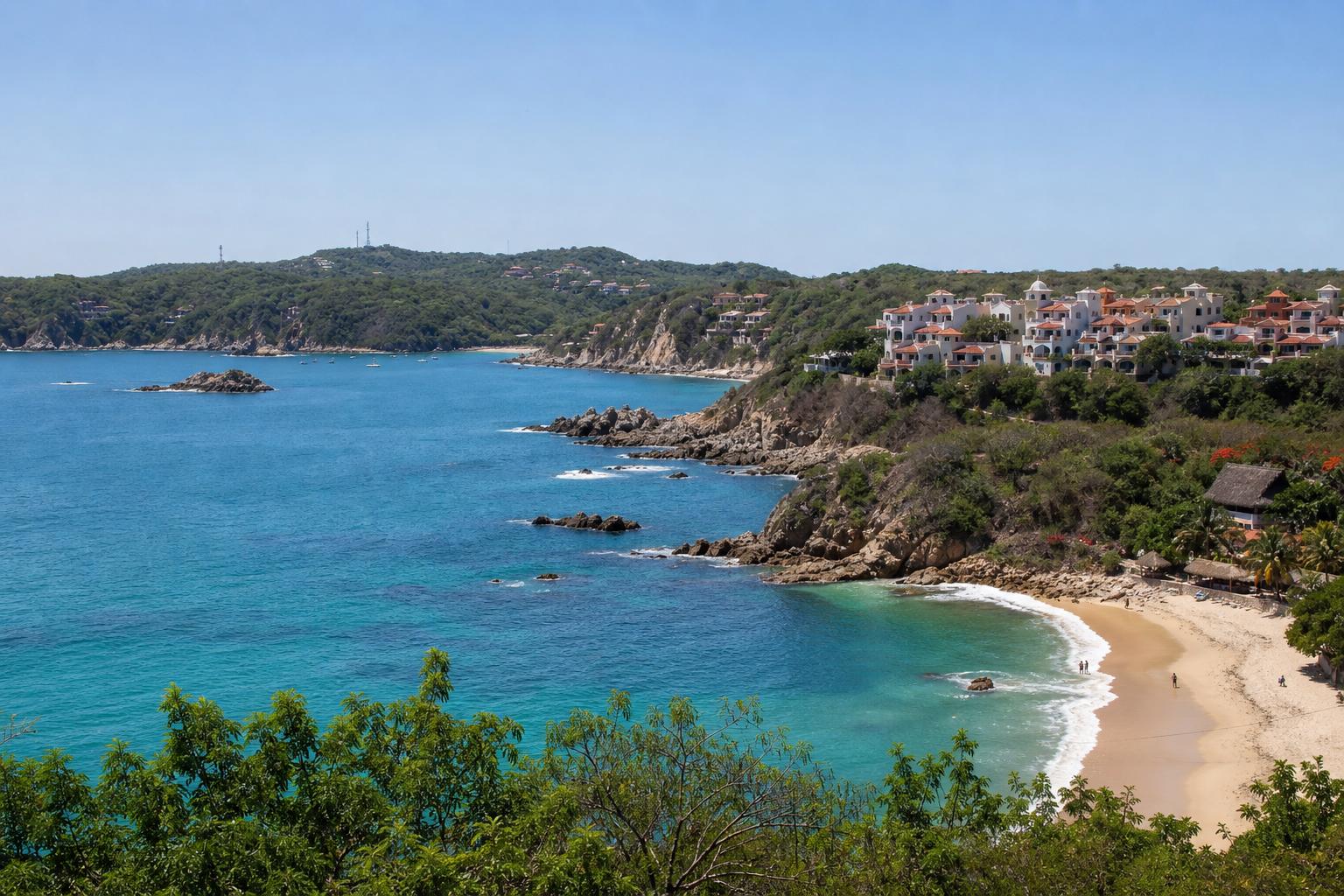
Huatulco, Mexico: A Complete Canadian’s Guide to the Bays, Beaches, and Laid-Back Magic of Oaxaca’s Coast
If you’ve been craving an ocean escape that isn’t a carbon copy of every big-name resort town, Huatulco, Mexico delivers in spades. Tucked into the southern state of Oaxaca and wrapped around nine sparkling bays and more than thirty beaches, this coastal region balances wild nature with thoughtful development. It’s quieter than Cancún, sunnier than much of the Pacific in winter, and built with sustainability in mind. For Canadians—whether you’re planning a one-week all-inclusive, a condo winter escape, or a road-trip add-on to Oaxaca City—this guide will show you how to make the most of Huatulco, Mexico with practical, current, and Canada-specific advice.
Below, you’ll learn where to stay (and how each bay feels on the ground), the best time to go, the easiest ways to fly in from Toronto, Montreal, Calgary, Vancouver and beyond, what to budget in Canadian dollars, the best beaches for kids and snorkelers, and how to explore the jungle, waterfalls, and coffee fincas that make this corner of Oaxaca unforgettable. You’ll also get safety tips, etiquette, accessibility details, and sample itineraries to fit your style—plus a straight-talking FAQ at the end.
Huatulco, Mexico in a Nutshell: Why It Belongs on Your Shortlist
Huatulco—formally Bahías de Huatulco—sits on the Pacific coast of Oaxaca, where the Sierra Madre mountains meet the sea. The destination is built around nine main bays: Tangolunda, Santa Cruz, Chahué, Órgano, Maguey, Cacaluta, San Agustín, Conejos, and Chachacual. Every bay has its own personality. Some are resort-backed and convenient. Others require a boat or a short hike and reward you with empty sand and pelicans for neighbors.
Unlike many beach towns that grew haphazardly, Huatulco was planned from the outset. Development focused on clustering hotels in certain bays while protecting broad swaths of coastline and forest as part of Huatulco National Park. The result feels airy and low-slung: no wall-to-wall towers, plenty of green, and a town—La Crucecita—that locals actually use, not just visitors. You can slip from a beach morning into a taco lunch in the zócalo in under fifteen minutes.
For Canadians, the big appeal is timing: while the west coast of Canada goes grey and wet, Huatulco enjoys a dry, sunny winter with bathtub-warm water. Seasonal direct flights often pop up from major Canadian cities in the colder months, and the airport (HUX) sits a short drive from the main hotel zones. Add in mellow surf (on the right beaches), world-class snorkeling at La Entrega and San Agustín, boat tours through turquoise coves, and day trips to waterfalls and coffee farms in the mountains, and you’ve got a destination that’s easy to love on trip one and richer on trips two and three.
Geography and Bays: Getting Your Bearings
Think of Huatulco as a necklace of bays beaded along a rugged shoreline. From west to east, here’s what matters for trip planning:
Tangolunda Bay: Resorts and Golf
Tangolunda is where many of the larger all-inclusive resorts sit on wide, golden sand—an easy, no-fuss base. You’ll find family-friendly options and adults-only properties, beachfront pools, and easy taxi access to town. There’s an 18-hole course (Las Parotas) cut through forest and mangroves; it’s not a budget round, but twilight rates can be more approachable if you’re eyeing a couple of games between beach days.
Santa Cruz and La Crucecita: Harbours and Heart
Santa Cruz is the working-yet-pretty harbour. Bay tours depart from the marina, small shops stock sunscreen and snorkels, and there’s a walkable beach bordered by casual palapa restaurants. La Crucecita, a few minutes inland, is the main town. You’ll find most ATMs, pharmacies, clinics, groceries, bakeries, and a proper town square. Staying in La Crucecita (in a condo or boutique hotel) trades a beach doorstep for local life and value—easier if you don’t mind a short taxi ride to the sand.
Chahué: Condos, Beach Clubs, and Space
Chahué’s long beach is beautiful but can have stronger surf; think morning walks, sunsets, and beach clubs over swimming with small children. The area hosts many condos and small hotels, plus a marina. If you like the idea of self-catering with easy access to La Crucecita and Santa Cruz, Chahué is a convenient compromise.
Órgano and Maguey: Calm Coves for Snorkeling
These sister coves sit within the protected area and are known for gentler water. Maguey has rustic restaurants on the sand and reliable snorkeling right off the beach. Órgano is quieter, with fewer services and a bit more of a castaway feeling. Bring pesos and reef-safe sunscreen.
La Entrega: Beginner-Friendly Reef
La Entrega is where many first-time snorkelers fall in love with Huatulco. The water is typically clear and calm, and you can swim out to the reef from shore. Yes, it gets busy on weekends and holidays, but it’s busy for a reason. Arrive early and rent a life vest if you want extra float time without effort.
San Agustín: Day-Trip Snorkel Heaven
At the western end, San Agustín is a standout for underwater color. The road can be dusty, but the payoff is a sweeping, horseshoe beach with lively reefs at either end. Palapas serve fresh seafood, and you can hire a local panga for a private snorkel circuit if you prefer being led to the fish.
Cacaluta, Chachacual, and Conejos: Wild and Photogenic
If you crave drama—jungle backdrops, arcs of cream sand, and almost no one around—these bays deliver. Some require boat access (Chachacual in particular), while Cacaluta can be reached via a hot, rewarding hike. Conejos offers striking views but often stronger surf; consider it more for beachcombing or photos than swimming unless conditions are especially gentle.
When to Go: Weather, Seasons, and Ideal Timing for Canadians
Huatulco sits in a tropical savanna climate with a pronounced dry season roughly November through May and a wet (green) season from June through October. “Wet” doesn’t mean constant rain; think intense afternoon or evening downpours, with many mornings still bright. Here’s how that plays out for planning:
- December–March: Dry, sunny, low humidity. Peak Canadian travel window. Water is warm, and visibility for snorkeling is often excellent. Expect higher hotel prices and more families during holiday periods.
- April–May: Hotter and still dry. Crowds thin outside Easter. Great for beach time if you can handle heat; shade and hydration matter.
- June–October: Lush hillsides, afternoon showers or storms, and fewer visitors. It’s hurricane season in the eastern Pacific, so keep an eye on forecasts; major direct hits are uncommon but possible. Prices and flight availability can be better.
- Shoulder weeks (late November, early December): A sweet spot—post-rains greenery meets returning sunshine and reasonable rates.
Typical Conditions by Month
Use the table below as a general guide; local weather varies year to year. For snorkeling and calm seas, winter and early spring are consistent favorites.
| Month | Air High (°C) | Rain | Notes |
|---|---|---|---|
| Jan–Feb | 28–31 | Very low | Prime season; book early for best flight times. |
| Mar–Apr | 30–33 | Low | Warmer; great beach days; spring break crowds ebb mid-April. |
| May | 31–34 | Rising late-month | Hot; good deals; hydrate and seek shade at midday. |
| Jun–Sep | 29–32 | Frequent | Green season; afternoon storms; fewer tourists; watch surf conditions. |
| Oct | 29–31 | Decreasing | Still lush; improving seas toward month end. |
| Nov–Dec | 28–31 | Low | Return of classic sun; holidays book fast. |
Getting to Huatulco, Mexico from Canada
Airports and Flight Basics
Huatulco International Airport (HUX) is about 20–30 minutes by road from the main hotel zones around Tangolunda, Santa Cruz, and La Crucecita. In winter, Canadian carriers and tour operators typically add seasonal nonstops or direct charters from major cities such as Toronto, Montreal, Calgary, and sometimes Vancouver or Winnipeg. Outside peak season, the easiest connection is usually via Mexico City (MEX), with additional options via U.S. hubs depending on your airline loyalty and routing rules.
Because seasonal schedules shift year to year, the most reliable approach is to:
- Check your preferred Canadian carrier or vacation brand for winter nonstops (packages often include transfers and can price surprisingly well).
- Otherwise, search Toronto/Montreal/Calgary/Vancouver → Mexico City → Huatulco on a single ticket. Aeromexico often operates the domestic hop to HUX; flying one ticket reduces misconnection stress and baggage hassles.
- Compare with Oaxaca City (OAX) if you’re considering a two-stop itinerary combining culture and coast. You can bus or fly onward to Huatulco, though the mountain road is long and winding.
Typical Flight Durations
- Nonstop winter charters from Toronto or Calgary: roughly 5–6 hours in the air.
- Connecting via Mexico City: total travel time commonly 8–12 hours depending on layover.
- From Vancouver or Halifax: usually one to two connections; plan a flexible day on arrival.
Entry for Canadians: Documents and Rules
Canadians don’t need a visa for tourism in Mexico. You’ll receive a stay length (up to 180 days) determined by the border officer; keep your passport stamp safe. Airlines and immigration policies evolve, but in general you’ll need:
- Passport valid for the duration of your stay (some airlines prefer six months’ validity; check your carrier’s rules when booking).
- Proof of onward travel and accommodation details if asked.
- Customs declaration if requested; declare currency over the equivalent of US$10,000.
Health insurance from your Canadian province won’t cover international care at destination rates. Buy travel medical insurance that covers emergency treatment, evacuation, and trip interruption. If you plan activities like snorkeling, boating, ATV tours, or surfing, confirm they’re not excluded as “adventure” activities under your policy.
Airport Arrival, Money, and Transfers
On arrival at HUX, you’ll find ATMs and authorized taxi counters before the exit. Authorized taxis post fixed zone rates; paying in pesos is easiest, though many accept cards. Expect roughly 250–600 MXN to common hotel zones for a standard sedan and more for a van. Shared shuttles run to popular resorts, and many vacation packages include transfers—worth confirming before you queue. If you’re traveling light and staying in La Crucecita, a shared van or pre-booked shuttle often offers the best value.
Where to Stay in Huatulco: Resorts, Condos, and Boutique Finds
Accommodation spreads across bays and town. Your best base depends on how you travel and who’s coming with you.
All-Inclusive Resorts
Most all-inclusives cluster around Tangolunda Bay, Conejos, and Santa Cruz. Expect broad beaches, multiple pools, and on-site activities. If your goal is to minimize logistics—one kid wants the splash pad, another wants the kids’ club while you book a tee time—this is a frictionless setup. Adults-only properties in Conejos and Tangolunda amp up the calm with quiet pools and spa-heavy menus.
What to check before you book:
- Beach characteristics: Does the resort’s beach have stronger surf or a swimmable cove? Photos can be deceiving—read recent reviews about waves and red-flag days.
- Room location: Hillside rooms can mean stairs or shuttles; great views but less stroller-friendly.
- Shade and palapas: If you burn easily, look for ample natural shade or reserve systems for beach palapas.
Condos and Vacation Rentals
Chahué and La Crucecita have the densest mix of condos and small hotels. This is the move if you like kitchen space, walkable dining at night, and lower nightly rates over beachfront. Taxi rides to beaches are easy and inexpensive, especially if you group outings (for example, one big groceries run on arrival, then walk/eat locally most nights).
Practical tip: many smaller beach restaurants are cash-only. Book a rental within easy stroll of an ATM or bank branch in La Crucecita, and withdraw pesos in larger but not excessive amounts to reduce fees.
Boutique and Eco Stays
Scattered through bays like Santa Cruz, Órgano/Maguey, and out toward San Agustín are petite properties and eco-lodges. They tend to emphasize nature and personal service over marble lobbies. These can be perfect for couples or solo travelers looking to unplug. Double-check access: some require stairs or have limited vehicle access because of protected zones.
Budgeting and Costs: Real Numbers in Canadian Dollars
Huatulco is reasonably priced compared with many Caribbean islands and parts of the Riviera Maya. Your per-day spend depends on your accommodation style and activity choices. As a broad orientation (all numbers approximate; exchange rates fluctuate):
| Item | Budget Range | Notes |
|---|---|---|
| All-inclusive week (per person, dbl occ.) | CAD $1,400–$2,500+ | Winter high season on the higher end; shoulder weeks can dip under. |
| Condo/hotel (per night) | CAD $80–$250 | Location, pool, and proximity to beach drive rates. |
| Mid-range dinner for two | CAD $25–$60 | Seafood on the beach or Oaxacan plates in town, excluding alcohol. |
| Beer/cocktail in a bar | CAD $2–$10 | Hotel bars pricier; happy hours common. |
| Taxi (La Crucecita to Tangolunda) | CAD $3–$8 | Short rides are affordable; confirm fare before you ride. |
| Bay tour (shared, per person) | CAD $30–$60 | Private boats cost more but split well with a group. |
| Snorkel gear rental (day) | CAD $5–$15 | Consider bringing your own mask for fit and hygiene. |
Exchange rate note: in recent years, 1 CAD has hovered around 12–15 MXN. Always check current rates. Most Canadians withdraw pesos at ATMs; bank machines in La Crucecita typically offer the best access and security. Decline dynamic currency conversion on card terminals to avoid poor exchange rates.
Tipping Norms
- Restaurants: 10–15% is customary for good service.
- Housekeeping: 40–70 MXN per day left daily is appreciated.
- Bellhop: ~20–30 MXN per bag depending on distance/effort.
- Tours: ~10% of tour cost for the guide; more for exceptional service.
Bring small denomination pesos. While many resorts accept CAD or USD tips, pesos ensure staff can use them immediately without conversion losses.
Beaches and Water: Where to Swim, Snorkel, and Sail
Not all Pacific beaches are created equal. Huatulco’s charm is the mix: lively swimming coves next to untamed arcs with pounding surf. If you’re planning for young kids or anxious swimmers, pay attention to local flags and choose bays designed for calmer water.
Best for Swimming and Families
- La Entrega: Sheltered, shallow entry, equipment rentals, and lifeguards during busy times. Can be crowded on weekends—arrive by 9 a.m.
- Maguey: Calm water most days and simple seafood shacks with feet-in-sand seating.
- Santa Cruz: Central, convenient, and walkable to shops if someone in your group needs a midday break from the sun.
Best for Snorkeling
- La Entrega: Reliable reef close to shore; visibility best in the morning.
- San Agustín: Deeper sections with more dramatic coral heads; go with a guide if you’re new to ocean currents.
- Maguey/Órgano: Quiet coves with fish life; bring a rash guard to avoid stinging sun.
Beautiful but Often Rough
Cacaluta, Conejos, and stretches of Chahué can have stronger waves and currents. On red-flag days, treat the sea with respect and ask lifeguards or locals about conditions. Those same beaches make stunning picnic and photo spots, especially at golden hour.
Boating and Bay Tours
Standard bay tours leave from Santa Cruz and visit a handful of bays with time to swim or snorkel. Shared boats are social and budget-friendly. Private pangas let you customize stops—chase dolphins in season, linger at empty coves, and pick a quiet beach shack for lunch. Take a dry bag for your phone, reef-safe sunscreen, and pesos for the captain’s tip.
Sportfishing and Surfing
Offshore, sailfish, marlin, and dorado (mahi-mahi) run in season, and local captains know the drop-offs. Charters can include bait and licenses; clarify what’s included and what you keep. For surfing, Barra de la Cruz (northwest of Huatulco) is famous among wave hunters. It’s not a beginner’s break—book a local guide who understands the sandbar and etiquette, and remember this is a sensitive environment managed by the community.
Nature, Culture, and Day Trips: Beyond the Beach
Huatulco National Park
Covering nearly 12,000 hectares of land and sea, Huatulco National Park protects dry tropical forest, mangroves, reefs, and a busy roster of birdlife. Guided hikes introduce you to parota and copal trees, iguanas warming on rocks, and pelicans skimming surf lines. Choose reputable operators who follow park rules (no touching coral, no anchoring on reefs, no litter). A portion of your tour fee supports conservation—ask where your pesos go.
Copalita Eco-Archaeological Park
Just east of Tangolunda along the Copalita River, this site blends a small museum with a trail to pre-Hispanic ruins and a dramatic viewpoint over the river mouth and Pacific. It’s a compact, rewarding visit for history-inclined travelers without the long haul to Monte Albán. Go early to avoid heat, wear closed shoes, and bring water.
Waterfalls and Coffee Country
Head inland to the Sierra Madre foothills for a different world: shaded coffee fincas and cold mountain streams. Popular waterfall trips—like the cascades near San Miguel del Puerto—pair a winding drive with swimming holes and simple country lunches. Roads are paved partway, then turn to well-traveled dirt; motion-sickness tablets can be wise if you’re sensitive. This makes a great full-day escape when you want a break from salt water and sun.
Mazunte, Zipolite, and Puerto Escondido
Northwest along the coast, a string of beach towns offers day or overnight diversions. Mazunte is known for its laid-back vibe and the National Mexican Turtle Center (a responsible way to learn about conservation). Zipolite has a clothing-optional beach and a bohemian crowd. Puerto Escondido is larger, with famous surf at Zicatela and mellow coves at Carrizalillo. If you’re traveling with kids, screen each town’s vibe to match your comfort level and plan transport accordingly—private transfers are the most time-efficient.
Oaxacan Food and Drink
Oaxaca is a culinary powerhouse. In Huatulco you’ll find seafood front and center—grilled red snapper, shrimp in garlic, octopus a la plancha—alongside regional icons like tlayudas (giant crisp tortillas topped with beans, cheese, and tasajo), memelas, and mole sauces. You’ll also encounter mezcal, which hails from Oaxaca’s interior. Sip it slowly, neat, in small copitas. Responsible operators offer tastings that explain agave species, roasting pits, and sustainable practices. Ask who they buy from and how they ensure fair pay to producers.
Getting Around: Taxis, Car Rentals, and Local Buses
Huatulco is compact. Most trips are ten minutes or less, and taxis are plentiful around La Crucecita, Santa Cruz, and major hotels.
- Taxis: Fares are zone-based; ask the price before you hop in. Carry small bills. Don’t be surprised if drivers offer full-day rates for waterfall or bay-hopping trips.
- Collectivos and suburban vans: Useful for budget travel between towns on the main highway, but they’re less convenient for beach-hopping with gear.
- Car rentals: Fine if you plan multiple day trips or want freedom at dawn/sunset. Buy Mexican liability insurance; your Canadian policy isn’t valid in Mexico. Inspect the car, photograph existing scratches, and confirm the credit card deposit.
As of recent years, ride-hailing apps have limited or no presence in Huatulco. Plan on taxis. If a driver was kind and reliable, ask for their WhatsApp number for future rides.
Safety, Health, and Insurance: Straight Talk for Canadians
Huatulco, Mexico is widely considered one of the safer resort regions in the country. That doesn’t mean you should switch off common sense. The usual travel smarts apply:
- Use ATMs inside banks or busy supermarkets. Shield the keypad and avoid stand-alone machines late at night.
- Keep valuables minimal at the beach; a small dry bag or portable lockbox can save headaches.
- Watch ocean conditions. On red-flag days, skip swimming at exposed beaches. Stick to protected coves.
- Hydrate, wear hats, and use sunscreen. The sun is stronger than most Canadian summers—heat exhaustion sneaks up.
- Dengue and other mosquito-borne illnesses exist in tropical climates. Pack repellent with DEET or picaridin, use it at dawn/dusk, and consider long sleeves for evenings.
For emergencies, Mexico’s national number is 911. La Crucecita has clinics and a hospital capable of handling common issues, with more advanced care in larger cities. Bring a small travel pharmacy (rehydration salts, antihistamines, anti-nausea tablets, and any prescriptions). Keep medications in original containers with a copy of your prescription—a good practice under both Canadian and Mexican rules.
Canada-specific: provincial health plans don’t cover out-of-country medical costs at destination rates, and credit card insurance can be limited. Confirm your travel medical coverage, pre-existing condition exclusions, and adventure-activity clauses. Consider adding trip interruption insurance during hurricane season (June–November) in case weather disrupts flights.
Responsible Travel and Sustainability
Huatulco has long positioned itself as a sustainable destination, with protected marine and forest zones and community-driven conservation programs. As a guest, your habits matter:
- Choose reef-safe, biodegradable sunscreen and apply at least 30 minutes before entering the water.
- Never stand on coral or touch marine life. Fins and careless kicks do lasting damage.
- Pack out what you pack in. Even a cigarette butt can harm beach ecosystems.
- Support tours that avoid anchoring on reefs and respect whale, dolphin, and turtle distances.
- Use refillable water bottles. Many hotels provide filtered water stations.
Mexico strengthened smoke-free laws nationwide in 2023, banning smoking in many public spaces, including beaches and restaurants. Respecting these rules isn’t just polite—it protects you from fines and supports a cleaner environment.
Connectivity, Money, and Everyday Practicalities
Cash, Cards, and ATMs
Peso is king. Resorts and larger restaurants take cards, but small beach spots prefer cash. ATMs in La Crucecita and at the airport are convenient; those inside bank branches or major supermarkets feel safest. Your Canadian bank and the Mexican ATM may both charge fees, so withdraw sensible amounts. Decline dynamic currency conversion on card payments; it’s almost always a worse rate than letting your bank do the math.
Mobile and Internet
Most Canadian carriers (Rogers, Bell, Telus and their sub-brands) offer daily roaming passes in Mexico; they’re convenient but can add up. For longer stays, consider a local SIM or eSIM from Telcel or AT&T Mexico. Coverage is solid around town and resorts, thinner in remote bays and mountain roads. Wi‑Fi is common in hotels and cafes; speeds vary from modest to excellent depending on your property.
Power and Time Zone
Mexico uses 110V with Type A/B plugs—the same as Canada—so you won’t need adapters for most devices. A small surge protector is smart in storm season. Huatulco follows Central Time. Mexico largely abolished daylight saving in 2022; Oaxaca does not switch clocks. The time difference with Canada changes seasonally depending on your province.
Language and Etiquette
Spanish is the local language; English is widely spoken in tourism. A few phrases go far: “Buenos días,” “Por favor,” “Gracias,” and “La cuenta, por favor” soften every interaction. Dress is casual. Beachwear stays on the beach; a light cover-up is fine for town. Public drinking laws exist; keep that beer to the beach restaurants and bars rather than sidewalks.
Smoking and Vaping Rules
Mexico’s smoke-free legislation bans smoking in many public places, including beaches, parks, and restaurants. Vaping regulations are strict as well. Look for designated areas if you smoke; otherwise, fines are possible. When in doubt, ask staff discreetly.
Family Travel to Huatulco, Mexico
The combo of calm bays, manageable distances, and friendly service makes Huatulco easy with kids. A few practical pointers:
- Pick a cove beach (La Entrega, Maguey) for little swimmers. Bright rash guards and hats help against the sun and make kids easy to spot.
- Strollers are fine in resorts and on boardwalks, trickier on uneven sidewalks. Lightweight umbrella strollers and baby carriers are ideal.
- Child seats are not standard in taxis. If you want one, bring your own or book a private transfer that guarantees it.
- Pack kids’ meds you trust. Pharmacies carry basics, but brands differ.
- Snacks save the day on boat tours; pack fruit, crackers, and refillable water bottles.
Couples’ Escapes and Special Occasions
Huatulco’s rhythm suits couples who prefer long swims, slow lunches, and golden-hour walks to thumping nightlife. Consider adults-only resorts in Tangolunda or Conejos, book a private panga for a half-day snorkel, and schedule a sunset dinner at a cliffside spot. If you’re celebrating, local planners can arrange a beach vow renewal or small wedding; beaches themselves are public, so plan on a beach club or boutique hotel for privacy.
Accessibility: Beaches, Hotels, and Getting Around
Accessibility in Huatulco is improving but uneven. Many larger resorts have accessible rooms, ramps, and beach mats during high season. However, some coves have sandy or sloped entries without paving. If access is essential, contact your hotel directly with specific questions about room layouts, pool lifts, beach access points, and transportation options. When booking tours, ask about steps, boat boarding methods, and restroom access in advance.
Remote Work and Longer Stays
Huatulco’s quieter pace and sunny mornings make it appealing for workations. Wi‑Fi reliability depends on your property; ask for recent speed tests and whether power backups exist for storms. Many Canadians take multiple 30–90 day trips in winter rather than a single long stay. Immigration officers determine your stay length on arrival; if you need extended time, bring proof of funds, onward travel, and accommodation bookings to support your case.
For snowbirds exploring property purchases: consult Mexican legal counsel and a reputable Canadian-connected brokerage familiar with fideicomisos (bank trusts) used for foreign ownership in restricted coastal zones. Don’t skip due diligence on titles and HOA rules. Local property managers can advise on utilities, strata norms, and realistic rental occupancy outside peak months.
What to Pack (and What to Leave)
- Essentials: High-SPF reef-safe sunscreen, wide-brim hat, sunglasses, light long-sleeve for sun, water shoes for rocky entries, quick-dry towel, and a compact dry bag.
- Snorkel mask you like: Fit matters. Fins are optional; rentals are easy if you want them.
- Med kit: Rehydration salts, antihistamines, anti-itch cream, motion sickness tablets, and your prescriptions.
- Bug protection: DEET or picaridin repellent and a light after-bite cream.
- Payments: Two debit/credit cards from different banks, a mix of small bills, and a photocopy of your passport.
- Leave behind: Heavy jackets, too many shoes, and bulky beach toys. You can buy inexpensive sand gear locally if the kids insist.
Sample Itineraries
Three-Day Teaser
Day 1: Land, check in, and unwind with a sunset swim at Santa Cruz. Dinner at a casual Oaxacan spot in La Crucecita—tlayudas or a plate of tasajo with beans and tortillas.
Day 2: Morning snorkel at La Entrega. Afternoon nap or spa hour. Evening mezcal tasting and seafood dinner on the sand.
Day 3: Half-day private panga to Órgano and Maguey. Long lunch under a palapa, and one last float before you pack. If time allows, walk the zócalo at dusk for ice cream and people-watching.
Seven-Day Classic
Day 1–2: Settle in; alternate pool and beach time. Try Santa Cruz and Maguey for easy swims. If you golf, book an early tee time.
Day 3: Copalita Eco-Archaeological Park in the morning, then Chahué beach club for a lazy afternoon. Dinner in town.
Day 4: Full-day boat tour with snorkeling. Watch for dolphins; ask the captain to stop at a quiet bay for lunch.
Day 5: Waterfalls and coffee finca day trip into the hills. Bring water shoes and pesos for a country-style meal.
Day 6: Free day for shopping, a cooking class, or a temazcal (traditional steam lodge) session. Sunset at a high-view restaurant.
Day 7: San Agustín snorkel morning, then pack and enjoy one last swim in your hotel’s calmest cove.
Two Weeks, Slow and Deep
Week 1: Do the seven-day classic at an easy pace. Add an evening street food walk in La Crucecita and a second snorkeling morning if the water is especially clear.
Week 2: Shift bases—spend three nights in a condo near Chahué to feel more local. Day trip to Mazunte for the turtle center and sunset at Punta Cometa. Take a mezcal education session and shop for Oaxacan textiles and crafts at the Saturday market. End with a no-plans final weekend: swims, naps, paperbacks, and your new favorite beach shack’s grilled fish.
Food and Drink: What (and Where) to Eat
Start with seafood: pescado a la talla (butterflied, grilled fish, often snapper), camarones al mojo de ajo (garlic shrimp), and ceviche. Pair them with a cold michelada or agua fresca. Then branch into Oaxacan specialties: try mole negro over chicken, coloradito on enchiladas, or a tlayuda split for the table. For breakfast, look for chilaquiles, enfrijoladas, and fresh papaya with lime.
Where to eat? Beach palapas at La Entrega and Maguey serve honest, fresh plates with toes-in-sand appeal. In La Crucecita, you’ll find family-run restaurants dishing regional classics. Higher-end hotel restaurants handle the special-occasion sunset dinner angle; just book ahead in high season. If you’re self-catering, markets and supermarkets in town stock local produce, tortillas still warm, and Oaxacan cheeses (quesillo is the stretchy, mozzarella-like one you’ll see everywhere).
Rules, Norms, and “I Wish I’d Known” Tips
- Beach access in Mexico is public. Resorts may control loungers and shade structures, but the sand and water are for everyone.
- Biodegradable sunscreen is encouraged in protected areas. Some tours will ask you to rinse off conventional sunscreen before snorkeling.
- Respect turtle nesting areas and signage. No flash photography at night, and keep a distance from hatchlings and mothers.
- If you rent a car, watch for topes (speed bumps) in towns. They can be large and unmarked.
- Expect siesta-ish rhythms. Afternoons can be quiet; evenings are when plazas fill up.
- Sunday is family day in Mexico. Beaches and La Entrega especially get lively—in a good way. Arrive early for shade.
Comparing Huatulco with Other Mexican Beach Spots
Riviera Maya has cenotes and Mayan ruins; Los Cabos brings desert-meets-sea drama; Puerto Vallarta mixes a classic town with a busy bay. Huatulco stands out for its low-density planning, protected bays, and reliable winter sun without wall-to-wall crowds. If you loved Zihuatanejo’s mellow mood or the quieter sides of Puerto Vallarta but wish for clearer winter water, Huatulco will likely fit you. If you prefer thumping nightlife and massive shopping malls, you might find it too subdued.
Planning and Booking Strategies for Canadians
- Winter flights: If you see a fair nonstop from your city, grab it early. School breaks and February long weekends sell out fast.
- Packages vs. DIY: All-inclusives bundled with flights and transfers can undercut à la carte prices in high season. If you want a condo or boutique stay, DIY makes sense—book flexible airfare and a cancellable room.
- Shoulder wins: Late November and early December often deliver great weather and better pricing.
- Payment methods: Some Canadian credit cards add a 2.5% foreign transaction fee; no-foreign-fee cards save money on a two-week trip.
- Travel advisories: Check the Government of Canada’s travel advice page before you buy and again before you fly. Register with the Registration of Canadians Abroad for longer stays.
Beach-by-Beach Snapshot
| Beach | Best For | Scene | Notes |
|---|---|---|---|
| La Entrega | Snorkeling, families | Busy on weekends | Rent gear on-site; arrive early for parking/shade. |
| Maguey | Calm swims, casual lunches | Relaxed | Palapas on the sand; bring cash. |
| Santa Cruz | Convenience, marina access | Lively | Shops and services close by; good for mixed groups. |
| Chahué | Walks, beach clubs | Open, breezy | Stronger surf; swimming depends on conditions. |
| San Agustín | Snorkel day trips | Local, low-key | Road can be bumpy; reward is worth it. |
| Órgano | Quiet cove time | Peaceful | Few services; pack snacks and water. |
| Cacaluta | Wild beauty, photos | Remote | Hike-in or boat; usually not for swimming. |
| Conejos | Views | Scenic | Often rough seas; check flags. |
Common Scams and How to Avoid Them
- Timeshare pressure: If a “free breakfast” comes with a hard sell, you know the drill. Walk away politely or set a hard time limit if you genuinely want to hear the pitch.
- ATM currency conversion: Terminals may tempt you with a “guaranteed rate.” Decline it and let your bank convert at the network rate.
- Beach vendor confusion: Prices are usually fair, but confirm the total before sitting at a palapa (especially for seafood platters) to avoid surprises.
- Unlicensed tours: Book through your hotel, a well-reviewed agency, or a recommended captain at Santa Cruz. Cheaper isn’t better if safety gear is missing.
Local Laws and Practical Considerations
- Driving: Your Canadian licence is valid for tourists. Mexican liability insurance is mandatory; buy it, even on short rentals.
- Drones: Mexico regulates drone use; permits and registration may be required depending on weight and purpose. Don’t fly near people, ports, or protected areas without clear permission.
- Alcohol and cannabis: Public drinking is restricted, and cannabis remains illegal for visitors. Consume alcohol in licensed venues or private spaces.
- Environment: Protected areas have rules on anchoring, fishing, and wildlife distances. Guides should brief you—if they don’t, ask.
Is Huatulco Right for You?
Ask yourself: do you want clear winter sun, warm water, and a slower pace? Are you happier finding “your” beach shack than lining up outside a megaclub? Does snorkeling over a tropical reef before lunch sound like a perfect morning? If you’re nodding, Huatulco, Mexico likely fits you. Families find calm coves and easy logistics. Couples get quiet corners and sunsets that actually hush a conversation. Solo travelers enjoy safety, walkability, and a sense of place that feels lived-in, not manufactured.
FAQs: Huatulco, Mexico
Is Huatulco safe for Canadian travelers?
Yes, Huatulco is widely regarded as one of Mexico’s safer beach regions. Petty theft can happen anywhere—use standard precautions. Stick to licensed taxis, ask about ocean conditions, and secure valuables at your hotel.
When is the best time to visit Huatulco?
December through March is peak for dry, sunny weather and warm water. April and May are hotter but still dry. The green season (June–October) brings afternoon showers, lower prices, and lusher hillsides; watch for storm forecasts.
Are there direct flights from Canada to Huatulco?
In winter, seasonal nonstops or direct charters often run from major Canadian cities like Toronto, Montreal, or Calgary. Schedules change yearly. Outside peak season, connect via Mexico City on one ticket to simplify bags and misconnection protections.
Do Canadians need a visa for Mexico?
No visa is required for tourism. You’ll receive a stay length (up to 180 days) from the border officer on arrival. Keep your passport stamp handy and meet standard entry requirements like proof of onward travel if asked.
Can you swim at all beaches in Huatulco?
No. Some beaches are calm (La Entrega, Maguey, Santa Cruz), while others can have strong waves and currents (parts of Chahué, Cacaluta, Conejos). Obey flags and lifeguards, and choose coves designed for safer swimming if you’re with kids.
What are the must-do activities?
Snorkeling at La Entrega or San Agustín, a boat tour of the bays, a day trip to waterfalls and coffee country, and a sunset dinner overlooking the Pacific. Add Copalita Eco-Archaeological Park if you enjoy history and viewpoints.
Is the water clear for snorkeling in winter?
Generally, yes. Winter and early spring bring clearer conditions with calmer seas on many days. Mornings typically offer the best visibility. Always check local conditions before you go.
Are Ubers available in Huatulco?
Ride-hailing options are limited or unavailable. Plan on taxis, which are easy to find in La Crucecita, Santa Cruz, and outside resorts. Save a reliable driver’s number for return trips.
How much should I tip?
Restaurants: 10–15%. Housekeeping: 40–70 MXN per day. Tours: ~10%. Tip in pesos when possible. At all-inclusives, small, regular tips for bartenders and servers are appreciated but optional.
What about internet and roaming?
Canadian carriers offer daily roaming passes. For longer stays, a local Telcel or AT&T Mexico SIM/eSIM is often cheaper. Wi‑Fi is common in hotels; speeds vary—ask your property for a recent speed test if working remotely.
Is Huatulco good for kids?
Yes. The calm coves, short taxi rides, and family-friendly restaurants make life easy. Bring sun gear, water shoes, and basics like kids’ fever meds. Choose beaches like La Entrega and Maguey for little swimmers.
Can I drink the tap water?
Stick to bottled or filtered water. Many hotels provide refill stations. Ice in established restaurants is typically made from purified water, but if you’re unsure, ask.
What’s the best bay to stay on?
Tangolunda for resort ease and golf, Santa Cruz for marina access, Chahué for condo convenience, and Órgano/Maguey for quieter cove time (with fewer services). If you prefer local life, consider staying in La Crucecita and taxiing to beaches.
How do I choose a bay tour?
Decide between a shared boat (budget-friendly and social) or a private panga (customized stops, great for families). Confirm snorkel time, safety gear, and whether lunch stops are included.
Are there strong environmental rules?
Yes. Much of Huatulco sits within or beside protected areas. Use reef-safe sunscreen, don’t touch coral, respect wildlife distances, and pack out all trash. Mexico’s smoke-free laws also apply on many beaches and public spaces.
What’s the time zone and do clocks change?
Huatulco follows Central Time. Oaxaca does not observe daylight saving time, so the time difference with Canada varies by province and season.
Can I rent a car easily?
Yes, at HUX and in town. Purchase Mexican liability insurance, inspect the car carefully, and be alert for speed bumps in towns. For most visitors, taxis are easier for short hops; rent a car if you’re planning multiple day trips.
What if I get sick?
Clinics and a hospital in La Crucecita handle most traveler needs. Use bottled water, practice sun and heat safety, and carry a travel pharmacy. Buy travel medical insurance before you go; your provincial plan won’t cover local costs in full.
Is Huatulco good for remote work?
Yes, if you choose your lodging carefully. Ask for recent Wi‑Fi speed tests and whether backup power exists. Cafes in La Crucecita offer workable spaces, and mornings are great for focused work before the heat climbs.
What’s unique about Huatulco compared with Cancún or Puerto Vallarta?
Lower density, protected bays, and a quieter vibe. It feels more like a cluster of small, distinct coves than a single continuous strip. If you want winter sun and warm water without the thrum, Huatulco, Mexico makes a compelling case.