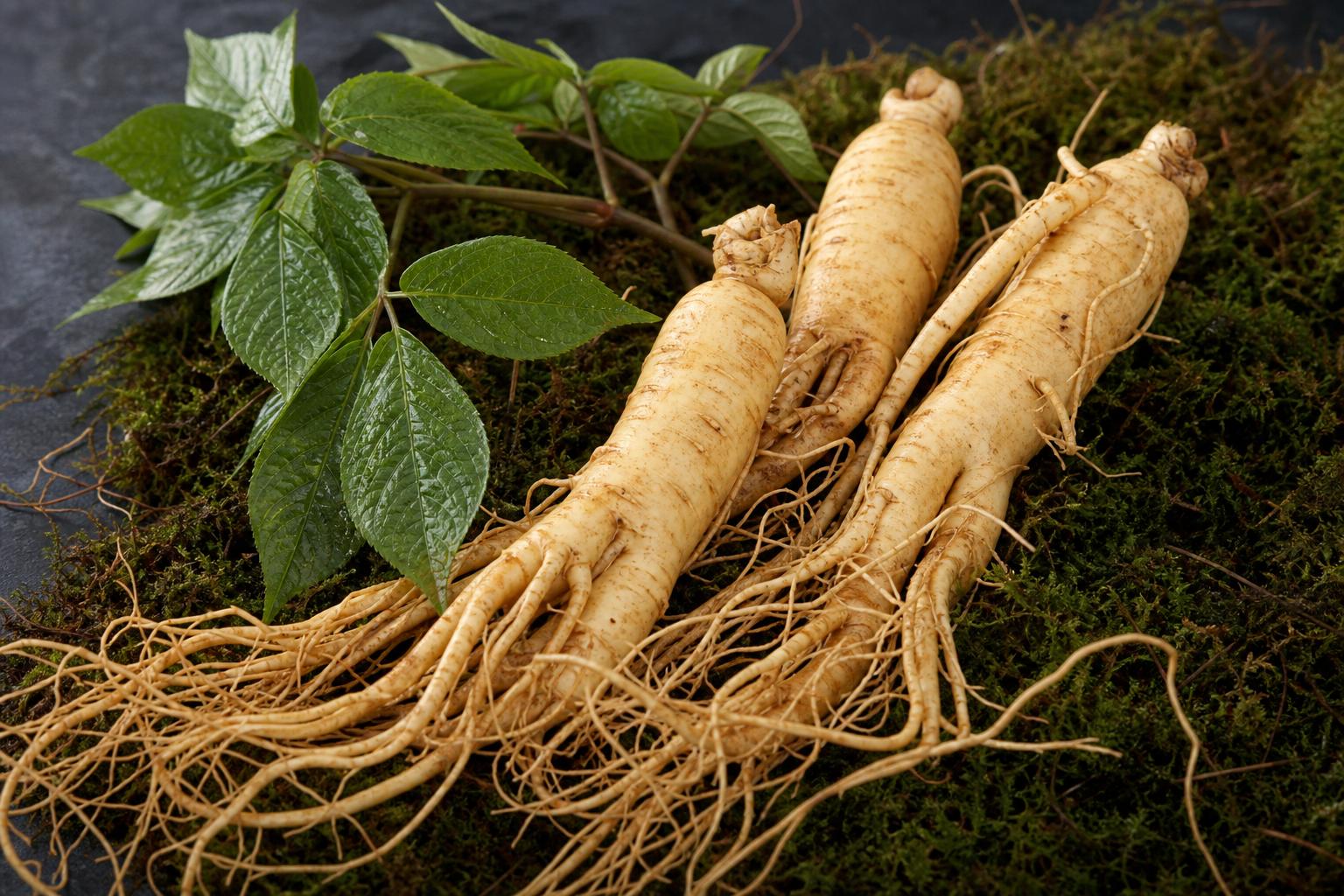
Ginseng in Canada: A Complete, Practical Guide to Types, Benefits, Safety, and Smart Buying
There’s a reason a knobbly root from deep shade has held people’s attention for centuries. Ginseng sits at the intersection of traditional wisdom and modern science, of backyard gardens in southern Ontario and steaming bowls of soup in Vancouver. In Canada, it’s also a regulated natural health product, a major export crop, and—if you’re not careful—an easy target for misinformation. This guide walks you through what ginseng really is, what it might do for you, how to choose a trustworthy product, and what Canadian laws say about harvesting, selling, and using it. By the end, you’ll be able to shop and use ginseng with confidence, not guesswork.
What Exactly Is Ginseng?
“Ginseng” usually refers to species in the Panax genus, prized for bioactive compounds called ginsenosides. Two matter most to Canadians:
- Panax quinquefolius, known as American ginseng (native to eastern North America and widely cultivated in Ontario and British Columbia).
- Panax ginseng, often called Asian, Korean, or Chinese ginseng (native to East Asia and mostly imported into Canada).
You’ll also see lookalikes with “ginseng” on the label. One notable example is “Siberian ginseng,” which is not a ginseng at all. Its botanical name is Eleutherococcus senticosus (eleuthero). It has different active compounds and actions. If you want true ginseng, look for “Panax” on the label and the species name spelled out clearly.
Another common term is “red ginseng.” That’s not a species. It’s a processing method. Fresh or “white” ginseng is steamed to become “red,” which changes its chemistry and, some argue, its effects. You’ll find red ginseng most often with Panax ginseng from Korea or China, though you can process American ginseng this way too.
A Canadian Snapshot: How Ginseng Shows Up Here
Canada has a surprisingly rich relationship with ginseng. The plant is native in the wild to parts of Ontario and Quebec, where it once grew in mature deciduous forests. Today, wild American ginseng is protected due to steep population declines from habitat loss and poaching. At the same time, Canada is a major cultivator and exporter of farmed American ginseng, with growers concentrated in southwestern Ontario (Norfolk County, Oxford County, the Simcoe–Tillsonburg area) and parts of British Columbia (including the Okanagan and some Fraser Valley operations). The Ontario Ginseng Growers Association (OGGA) represents many of these producers.
Ginseng is also firmly part of Canadian urban life. You can buy capsules and teas at mainstream pharmacies, pick up whole roots in traditional herb shops in Richmond or Markham, sip ginseng-infused drinks in Calgary, and order steaming bowls of samgyetang (Korean chicken and ginseng soup) on a cold Montreal night. It’s a bridge between cultures in the most literal sense: the same Canadian-grown root often heads straight to teacups in Hong Kong and Shanghai while matching products sit on shelves in Toronto and Winnipeg.
On the regulatory front, Health Canada classifies ginseng as a Natural Health Product (NHP). That means over-the-counter sales are legal, but products must meet quality standards and carry an NPN (Natural Product Number) when specific claims are made. Exporting American ginseng—especially roots—also intersects with international trade rules, because the species is listed under CITES (the Convention on International Trade in Endangered Species). More on laws and permits later.
Types of Ginseng and How They Differ
American Ginseng (Panax quinquefolius)
American ginseng is the Canadian story. It’s the same species Indigenous communities and early settlers encountered in eastern North American forests, later traded to China in the 18th century. If you buy “Ontario ginseng” today, you’re almost certainly getting cultivated American ginseng grown under shade cloth, harvested after 3–4 years, and carefully dried. In traditional East Asian frameworks, American ginseng is considered more “cooling” than its Asian cousin, and modern lab work shows a different ratio of ginsenosides (often more Rb-series). Many Canadians prefer it for daily use, especially for stress and gentle support of energy and focus.
Asian Ginseng (Panax ginseng)
Panax ginseng is native to East Asia. When steamed and dried, it becomes “Korean red ginseng,” a common form with a distinct set of ginsenosides (including Rg3) shaped by heat processing. Red ginseng is frequently used for energy and endurance, cognitive function, and sexual health. Many studies—some small, some better designed—have examined Panax ginseng for these outcomes with modest but real signals of benefit in certain areas (more on the evidence shortly). In Canada, Panax ginseng is mostly imported, though you’ll see Canadian-made supplements using imported raw material that’s processed and packaged domestically.
Notoginseng (Panax notoginseng)
Also called “Sanqi” in Traditional Chinese Medicine, notoginseng is chemically distinct from both American and Asian species and is used more for circulatory concerns and minor bleeding in traditional contexts. You might find it in specialty formulas at TCM clinics in Vancouver, Markham, and Richmond. As with any herbal medicine, use should be guided by a qualified practitioner, particularly if you take blood thinners or have cardiovascular conditions.
What’s Not Actually Ginseng: Eleuthero (Siberian “Ginseng”)
Eleutherococcus senticosus, often labeled “Siberian ginseng,” is not in the Panax genus and contains no ginsenosides. It’s an entirely different plant with different compounds (eleutherosides). The nickname persists from older marketing, but in Canada you’ll increasingly see the correct common name, “eleuthero.” If your goal is to try ginseng specifically, check for Panax on the label and avoid products that dance around the botanical name.
Active Compounds, Explained Simply
The headline compounds in ginseng are ginsenosides—saponins that influence a variety of cellular pathways, including those linked to inflammation, stress response, nitric oxide signaling, neurotransmitters, and glucose metabolism. Different species and processing methods tilt the ginsenoside “fingerprint.” American ginseng typically carries more Rb1 and related compounds; red ginseng is richer in Rg3 and others formed by steaming. These differences may explain why some people feel calmer focus with American ginseng yet sharper stimulation with red ginseng.
Beyond ginsenosides, ginseng contains polysaccharides and other molecules that may support immune function. But here’s the key takeaway for consumers: what’s in your capsule or slice varies by species, origin, age of the root at harvest, and processing. That’s why “standardized to X% ginsenosides” appears on many labels—it sets a floor for active content. Higher isn’t always better; what matters is using a consistent product at a sensible dose for your goal and body.
What the Research Actually Says
Ginseng has been studied for decades, but not all studies are created equal. Many are small, short in duration, or use different preparations that make apples-to-apples comparisons tricky. Still, useful patterns emerge.
Energy and Fatigue
People reach for ginseng to feel less drained. Some randomized trials report that both Panax ginseng and American ginseng improve self-rated fatigue in the short term compared with placebo, particularly in people under stress. The effects are typically modest—think a gentle lift, not a caffeine jolt—and may take days or weeks to feel. If you’re expecting instant fireworks, ginseng is the wrong tool. If you want a steadier baseline across a workday, it may help.
Cognitive Function and Mood
There’s mild-to-moderate evidence that Panax ginseng can support aspects of cognitive performance—working memory, reaction time—especially during mentally demanding tasks. Benefits tend to appear within hours and in the first few weeks of use, with less clarity beyond that. Some studies show reductions in perceived stress and improvements in calmness. It’s not a replacement for sleep, exercise, and good nutrition—but used alongside them, it can be a helpful nudge for certain people.
Immune Support and the Common Cold
One of the most visible Canadian products is a proprietary American ginseng extract used to help reduce the frequency, severity, or duration of colds in adults. Health Canada permits certain immune-related claims for specific, standardized extracts that meet evidence thresholds. Broadly, research on American ginseng for upper respiratory infections suggests a small protective effect when taken regularly during cold season. That doesn’t replace vaccination where relevant or basic hygiene, but it’s a pragmatic add-on some Canadians use from October to March.
Blood Sugar and Type 2 Diabetes
Work led by Canadian researchers, including teams at the University of Toronto, has explored American ginseng’s effect on post-meal blood sugar. Several controlled trials found that taking American ginseng before a meal can blunt the rise in postprandial glucose in both people with and without type 2 diabetes. The effect size is usually modest. For someone on diabetes medications, even a modest, additive effect matters—so coordination with your pharmacist or clinician is essential to avoid hypoglycemia. Ginseng is not a substitute for prescribed therapy, but it may offer an incremental benefit under supervision.
Sexual Function
Korean red ginseng (Panax ginseng) has shown signals of benefit for erectile function in some randomized trials, possibly through nitric oxide pathways. Effects are not universal and doses vary widely across studies. People on blood pressure medication or nitrates should be cautious and discuss with their prescriber. For low libido unrelated to erectile function, evidence is less consistent.
Exercise and Heart Health
Despite plenty of marketing, ginseng’s effect on athletic performance is inconsistent. Some small trials report modest improvements in VO2 max or time-to-exhaustion; others show no difference. For cardiovascular markers, results are mixed and often confounded by short study durations and diverse formulations. If you’re an endurance athlete in Canada looking for legal aids, ginseng isn’t prohibited by anti-doping agencies, but it’s no magic bullet either. Consider it a marginal gain at best, and vet products for contamination and quality.
Cancer-Related Fatigue and Other Conditions
Some trials in cancer survivors show potential improvements in fatigue with ginseng, while others are null. Differences in chemotherapy status, time since treatment, and product standardization all muddy the waters. Given the interaction potential and the stakes, anyone undergoing cancer treatment should only use ginseng under oncology guidance. For menopause, immune health beyond colds, and general “adaptogen” effects, the evidence is suggestive but not definitive.
Safety First: Who Should Avoid It and Key Interactions
Ginseng is widely used and generally well tolerated. Still, it’s biologically active and not risk-free. Think of it like coffee or alcohol: common, yes, but with caveats.
- Common side effects: insomnia (especially with late-day dosing), headaches, digestive upset, mild nervousness, and skin reactions. Red ginseng can feel more stimulating for some.
- Bleeding and surgery: ginseng may affect platelet function. Standard advice is to stop ginseng 1–2 weeks before surgery or dental procedures that could involve significant bleeding, unless your surgeon says otherwise.
- Blood thinners and antiplatelet drugs: warfarin, apixaban, rivaroxaban, clopidogrel, aspirin, and others may interact. While data is mixed, the safest move is to avoid ginseng or use it only with medical supervision and INR or bleeding-symptom monitoring.
- Diabetes medications: ginseng can modestly lower blood sugar. If you use insulin or sulfonylureas, talk to your prescriber before adding ginseng to avoid hypoglycemia.
- Stimulants and caffeine: combining may increase jitteriness or insomnia. If you love your morning double-double, start with a lower ginseng dose.
- Psychiatric medications: case reports suggest potential interactions with MAO inhibitors and effects on mood. If you take antidepressants, antipsychotics, or mood stabilizers, consult your prescriber.
- Autoimmune conditions and transplant recipients: theoretical immune-stimulating effects may be undesirable. Avoid unless cleared by your specialist.
- Pregnancy and breastfeeding: safety is uncertain; avoid use.
- Infants and children: avoid unless specifically directed by a qualified clinician.
Allergies are possible with any botanical. If you develop rash, itching, swelling, or difficulty breathing, stop use and seek care.
How to Choose a Quality Ginseng Product in Canada
Walking into a store in Mississauga or ordering online from Halifax, you’ll face a wall of options. Here’s how to separate the solid from the sketchy.
Read the Label Like a Pro
- Look for the species: Panax quinquefolius (American ginseng) or Panax ginseng (Asian/Korean ginseng). Avoid vague “ginseng root” with no species.
- Standardization: for extracts, look for a stated ginsenoside percentage (e.g., standardized to 4–7% total ginsenosides). Whole root or slices won’t list a percentage but should indicate origin and age at harvest if premium.
- Natural Product Number (NPN): indicates the product is licensed by Health Canada. The label or box should show “NPN” followed by an eight-digit number.
- Dose and directions: clear, specific instructions that match Health Canada guidance for the intended use, not vague “take as needed.”
- Non-medicinal ingredients: short, sensible lists without unnecessary fillers, excessive sugar, or proprietary blends used to hide small amounts of actives.
Source Matters: Canadian-Grown vs Imported
Canadian-grown American ginseng is a point of pride and a quality benchmark. Farms in Ontario and BC follow strict cultivation and drying practices. You’ll often pay more for it, and for good reason: it’s traceable, typically low in contaminants when produced under Good Agricultural and Collection Practices, and backed by an organized industry group. Imported Panax ginseng (including Korean red ginseng) can be excellent too—just buy from reputable brands that provide batch testing and clear origin information.
Forms: Capsules, Extracts, Teas, Root Slices, and Energy Drinks
- Capsules/tablets: convenient and consistent dosing. Standardized extracts are reliable for targeted goals like cognitive support or immune health.
- Liquid extracts/tinctures: flexible dosing, quick absorption, and easy to blend into tea or water. Check alcohol content and ginsenoside standardization.
- Dried root slices or whole roots: best for culinary uses and traditional preparations. Quality varies; choose clean, evenly dried roots from a trusted shop.
- Teabags and granules: convenient but often lower potency. Great for gentle, daily use, not ideal if you’re chasing specific outcomes.
- Energy drinks and shots: be cautious. Caffeine and sugar often mask or overhype ginseng content. If you want ginseng, buy ginseng—not a candy-caffeine hybrid with a token sprinkle of root powder.
Price Realities in Canada
Prices vary widely. Expect to pay more for Canadian-grown American ginseng and for older, larger roots. Standardized extract capsules from recognized brands often sit in the middle price band and offer good value per effective dose. If a deal looks too good to be true—say, a kilo of “premium Korean red ginseng” for a fraction of the usual price—something’s off. Counterfeiting and adulteration exist. Trustworthy retailers in Toronto, Vancouver, Calgary, Montreal, and online Canadian pharmacies reduce your risk, as do third-party certifications like USP, NSF, or ISURA testing.
Red Flags vs Good Signs
| Red Flags | Good Signs |
|---|---|
| No species listed; just “ginseng blend.” | Full Latin name (Panax quinquefolius or Panax ginseng) and part used (root). |
| No NPN, vague claims, or exaggerated promises. | Valid NPN, realistic benefits aligned with Health Canada-approved claims. |
| Proprietary blend hiding exact ginsenoside content. | Transparent standardization (e.g., 4–7% total ginsenosides). |
| Rock-bottom price for “premium” roots, dubious online seller. | Reputable retailer or brand, batch testing available upon request. |
| Energy drink with massive caffeine and “ginseng” in tiny print. | Single-ingredient capsule or clearly formulated product with sensible doses. |
Dosage and How to Take It
Dosing depends on the form, the species, and your goal. Start low, go slow, and don’t pile it on late in the day if you’re prone to insomnia.
- Standardized extracts (capsules or liquids): common daily ranges are 200–400 mg of extract standardized to about 4–7% total ginsenosides, taken once or twice daily. Some trials use up to 1,000–2,000 mg/day of extract short term, but there’s no need to start that high.
- Dried root: 1–3 grams per day is typical for general support. For soups and teas, you’ll often use more in a batch and consume it over several servings.
- Timing: for energy and cognitive support, morning or early afternoon. For blood sugar effects, some studies gave American ginseng 30–60 minutes before meals.
- Duration and breaks: people often use ginseng for 4–12 weeks, then reassess. Some practitioners suggest occasional breaks (e.g., 1–2 weeks off after 6–8 weeks on) to minimize tolerance and side effects. Evidence for cycling is traditional rather than definitive; choose what your body tolerates well.
- Combining with caffeine: common but can increase jitters. If you already drink coffee or tea, consider half your usual caffeine for the first week of ginseng and see how you feel.
If you take prescription medications, especially for blood pressure, blood clotting, diabetes, or mood, loop in your pharmacist or family doctor before starting. In Canada, pharmacists are trained to review Natural Health Products as part of your medication profile—use that resource.
Culinary Uses You’ll Actually Make
Ginseng isn’t limited to capsules. The root’s earthy, slightly bitter taste plays well with chicken, dates, ginger, and honey. Heat changes but does not destroy its usefulness; in fact, steaming makes red ginseng. These home-friendly recipes suit Canadian kitchens and grocery realities.
Weeknight Chicken and Ginseng Soup (Samgyetang-Inspired)
Not a traditional full bird stuffed with rice, but a practical, 45–60-minute pot for a chilly weeknight in Edmonton.
- Ingredients (serves 4): 1.5–2 L low-sodium chicken broth; 500 g boneless chicken thighs; 5–8 slices dried ginseng root (American or Korean); 6–8 garlic cloves, smashed; 1 thumb of fresh ginger, sliced; 6 dried jujubes (red dates) or 6 pitted Medjool dates; 1 small onion, quartered; 2 green onions; salt and pepper to taste; optional handful of goji berries; cooked short-grain rice on the side.
- Method: In a large pot, bring broth to a boil. Add chicken, ginseng slices, garlic, ginger, onion, and dates. Simmer gently 35–40 minutes until chicken is tender. Skim foam. Add green onions in the last 5 minutes. Season lightly and serve with rice. Sip the broth slowly—the ginseng hum builds as you go.
Simple Ginseng and Honey Tea
- Ingredients: 3–5 thin ginseng slices or 1 tsp shredded root, 300 ml hot water (just off boil), 1 tsp honey or maple syrup, a squeeze of lemon.
- Method: Steep 10–15 minutes covered. Strain and sweeten to taste. Good mid-morning when you’d otherwise reach for a second coffee in Ottawa.
Maple–Ginseng Oatmeal
- Ingredients: 1 cup rolled oats, 2 cups water or milk, 1/2 tsp ginseng powder (American ginseng is milder), 1 tbsp pure maple syrup, pinch of salt, optional blueberries and walnuts.
- Method: Cook oats as usual. Stir in ginseng powder and maple syrup at the end. Top with fruit and nuts. It’s breakfast with a backbone.
Handling and Storage Tips
- Whole dried roots: keep in an airtight container away from heat and light. Well-dried roots last a year or more at room temperature.
- Fresh roots: wrap lightly and refrigerate up to a few weeks; freeze for longer storage.
- Powders and capsules: store cool and dry. Check expiry dates. If it smells musty, it’s a pass.
Growing Ginseng in Canada: A Peek Behind the Shade Cloth
Ginseng farming is unlike most crops. It’s a marathon under artificial shade that mimics the dappled light of a hardwood forest—and it’s a high-stakes one.
- Timeline: typically 3–4 years from seeding to harvest. Seeds are stratified (chilled and prepared to sprout) and seeded in raised beds under shade structures.
- Shade: specialized cloth or lath structures reduce sunlight, keeping plants cool and protected. Too much sun stresses the plants; too little encourages disease.
- Soil and rotation: ginseng is sensitive to “replant disease.” Growers rotate fields for a decade or longer before returning ginseng to the same soil.
- Pests and disease: major pressures include fungal diseases like Cylindrocarpon, Alternaria blight, and Phytophthora root rot. Integrated pest management and careful ventilation are essential.
- Labour and cost: high upfront investment and years of risk before a single root is sold. That’s why premium Canadian roots command higher prices.
- Security: mature fields are tempting targets. Growers use fencing, cameras, and careful harvest scheduling to deter theft.
Curious about the industry? Some farms in Norfolk County participate in local events where you can learn about ginseng’s journey from seed to steeping mug. If you’re thinking of growing, be realistic: it’s specialized, capital-intensive, and not a backyard crop unless you’re experimenting with a handful of plants under meticulous care.
Laws, Ethics, and Sustainability in Canada
This is where many well-meaning people stumble. American ginseng is protected in the wild in Canada. In Ontario, it’s listed under the Endangered Species Act, 2007. In Quebec, it’s protected under provincial legislation. Harvesting wild ginseng, possessing it, or trading in it without proper authorization is illegal and can lead to significant fines and other penalties. If you find wild ginseng on a hike near Kingston or Gatineau, the right move is simple: admire it and leave it in peace.
For trade, American ginseng is listed in CITES Appendix II. This covers both wild and cultivated roots. Exporters in Canada require permits from the Canadian Wildlife Service (Environment and Climate Change Canada) to ship American ginseng internationally. Retail buyers inside Canada don’t need a CITES permit for personal use at home—but sticking to cultivated, legally produced products is the ethical choice and vastly easier for traceability.
In stores, you’ll also see red and white Panax ginseng from Asia. These aren’t native to Canadian forests. Buy from reputable importers with quality documentation. If a shop in Scarborough offers “wild Canadian ginseng” at a suspiciously low price, walk away. Truly wild roots are rare, protected, and not on legitimate retail shelves.
Real-World Scenarios: How Canadians Use Ginseng Wisely
The Desk-Worker in Toronto
Worn down by back-to-back video calls? A standardized Panax ginseng extract (200–400 mg in the morning) may take the edge off mental fatigue. Keep your afternoon coffee smaller than usual to avoid sleep disruption. Try it for four weeks, pause, and see if you truly felt a sustained benefit or just liked the ritual.
The Winter Immune Planner in Winnipeg
From October through March, you can take a licensed American ginseng product that carries Health Canada–approved claims for reducing the frequency or duration of colds. Start before peak season, follow the label strictly, and keep washing your hands. If you have an autoimmune condition or take immunosuppressants, check with your clinician first.
The Person with Type 2 Diabetes in Victoria
If your pharmacist agrees, you might trial American ginseng before your two largest meals to see if post-meal glucose spikes smooth out. Use a home glucose monitor to track. Watch for lows, especially if you’re on insulin or sulfonylureas, and adjust only with your provider’s guidance. This is a supplement to—not a replacement for—your core diabetes plan.
The Endurance Athlete in Calgary
Training volume is up and you’re exploring legal supports. You can test red ginseng for a block, but set expectations: any improvement will be subtle. Prioritize sleep, iron status, protein intake, and periodized training. Vet the brand for third-party testing to avoid contaminants.
The Older Adult in Halifax
Looking for a gentle lift in energy without sleep disruption? American ginseng in tea or a lower-dose capsule might fit, but add one change at a time. Review your medications with your pharmacist to rule out interactions, and consider morning-only dosing to protect sleep.
Comparing Species, Uses, and Practical Notes
| Type | Typical Use | Feel | Common Dose | Notes |
|---|---|---|---|---|
| American ginseng (Panax quinquefolius) | Stress, gentle energy, immune support, post-meal glucose | Calmer, steadier | 200–400 mg standardized extract or 1–3 g dried root/day | Grown in Ontario and BC; Canadian pride product; evidence for cold season support with specific extracts |
| Asian ginseng (Panax ginseng), white | Cognitive support, fatigue | Balanced stimulation | 200–400 mg standardized extract/day | Imported; avoid late-day dosing if sensitive |
| Korean red ginseng (steamed Panax ginseng) | Energy, erectile function, focus | More stimulating | 200–1,000 mg extract/day (varies by product) | Steaming shifts ginsenoside profile; read labels carefully |
| Notoginseng (Panax notoginseng) | Traditional circulatory uses | Not for general energy | By practitioner guidance | Potential bleeding risk; specialist herb often used in formulas |
| Eleuthero (Siberian “ginseng”) | General adaptogen in older literature | Variable | Not a true ginseng | Look for “Eleutherococcus” on labels to avoid confusion |
Smart Shopping in Canadian Cities
Where you buy may matter as much as what you buy.
- Pharmacies and national chains: good for standardized, licensed supplements with NPNs and return policies. You’ll find consistent brands and often decent prices.
- Traditional herb shops in Richmond, Markham, and Chinatown districts nationwide: best for whole roots, slices, and specialty grades. Bring questions and ask to see certificates of analysis when buying high-end roots.
- Farm-direct from Ontario growers: look for official membership or references to the Ontario Ginseng Growers Association. Expect higher prices and traceability.
- Online: choose Canadian websites with clear contact information, NPN listings, and third-party testing. Beware of overseas drop-shippers with no Canadian presence.
Pay attention to cost per effective dose. A $40 bottle may be cheaper than a $25 one if the former delivers double the ginsenosides per capsule. Do the math; don’t be swayed by front-of-bottle promises.
Quality, Testing, and Purity: What to Ask For
Ginseng quality can be verified. Ask brands or retailers for:
- Species and origin confirmation (Panax quinquefolius from Ontario/BC, Panax ginseng from Korea/China).
- Ginsenoside profile or percentage for extracts.
- Contaminant testing: heavy metals, pesticides, and microbial counts.
- Third-party certifications: USP Verified, NSF, ISURA, or similar.
- Batch numbers and best-before dates.
In Canada, an NPN signals that Health Canada has reviewed the product’s safety, quality, and claims. It’s not a guarantee of effectiveness for every person, but it’s a solid baseline that filters out the worst offenders.
Putting It Together: Simple Starter Plans
For General Energy and Focus
- Start with Panax ginseng: 200 mg standardized extract with breakfast. If you feel wired, switch to American ginseng at the same dose or move dosing earlier.
- Evaluate after two weeks. If you notice a tangible, steady benefit, continue to eight weeks and reassess. If not, stop—no need to force it.
For Cold Season Support (Adults)
- Choose a licensed American ginseng product with immune-related claims permitted by Health Canada. Start early in fall and take as directed.
- Stop if you develop unusual bleeding, rash, or new medications that increase interaction risk.
For Post-Meal Glucose (With Clinical Oversight)
- American ginseng 30–60 minutes before meals that trigger your largest spikes. Track with a glucose monitor for two weeks.
- If hypoglycemia occurs, stop and adjust your plan with your clinician.
Practical Warnings You Shouldn’t Skip
- Never harvest wild ginseng in Canada. It’s illegal and harms fragile populations.
- Stop ginseng 1–2 weeks before surgery unless your surgeon advises otherwise.
- Don’t mix ginseng with blood thinners, diabetes meds, or psychiatric medications without medical oversight.
- Avoid during pregnancy and breastfeeding due to insufficient safety data.
- Insomnia after starting? Cut your dose in half or switch to morning-only dosing. If that fails, discontinue.
Frequently Asked Questions
What is ginseng, in one sentence?
Ginseng is the root of Panax species—mainly American ginseng (Panax quinquefolius) and Asian ginseng (Panax ginseng)—used as a natural health product and food ingredient for energy, cognitive support, and general wellness.
Is ginseng legal in Canada?
Yes. Licensed ginseng products are sold as Natural Health Products. Wild American ginseng is protected, so harvesting and trading wild plants or roots without authorization is illegal. Exporting American ginseng (even cultivated) typically requires permits under CITES.
What’s the difference between American ginseng and Korean red ginseng?
American ginseng is a different species with a “cooler,” steadier profile and a distinct ginsenoside balance; Korean red ginseng is Asian ginseng that’s been steamed, producing a more stimulating feel and different ginsenosides. Many people find American ginseng gentler and red ginseng punchier.
How long does ginseng take to work?
Some people notice cognitive effects within hours; for fatigue and general well-being, changes usually emerge over 1–2 weeks. For cold season support, ginseng is taken daily across the season rather than as a quick fix.
Can I take ginseng with coffee?
Yes, but start with a lower caffeine load. The combo can feel overstimulating in some people. If sleep suffers, move ginseng to the morning and trim caffeine later in the day.
Does ginseng help with colds?
Specific American ginseng extracts have evidence for reducing the frequency or duration of colds in adults when taken regularly. Check that the product you buy is licensed in Canada for that use.
Is ginseng safe with blood thinners like warfarin?
It may not be. There are potential interactions and case reports. If you’re on anticoagulants or antiplatelet drugs, avoid ginseng unless your prescriber agrees and monitors you closely.
Can I take ginseng for diabetes?
American ginseng may modestly reduce post-meal blood sugar. If you use diabetes medications, only add ginseng with your healthcare provider’s guidance to avoid hypoglycemia.
Should I cycle ginseng?
Many people take it for 6–8 weeks and then take 1–2 weeks off. That approach is traditional rather than strongly evidence-based; use what keeps benefits without side effects.
What dose should I start with?
Try 200 mg of standardized extract (around 4–7% total ginsenosides) in the morning, or 1–2 grams of dried root daily. Adjust based on how you feel and the product’s directions.
How do I know if a product is legit?
Look for an NPN, a clear species name, standardized ginsenoside content for extracts, third-party testing, and a reputable Canadian retailer or brand. Avoid vague blends and miracle claims.
Is wild ginseng better?
It’s illegal to harvest in Canada, and conservation comes first. High-quality cultivated ginseng from Ontario or BC provides reliable, ethical, and traceable options.
Can athletes use ginseng under anti-doping rules?
Ginseng is not on the standard prohibited lists, but always check the latest WADA guidance and use third-party-tested products to avoid contamination.
Does ginseng expire?
Yes. Check best-before dates. Store away from heat and moisture. Powders and capsules typically last 1–3 years unopened; dried roots can last a year or longer if well kept.
Can I cook with ginseng and still get benefits?
Yes. Steaming and simmering shift but don’t erase ginseng’s compounds. Many traditional recipes use gentle simmering. For maximum consistency, pair culinary uses with a standardized capsule if you’re targeting a specific outcome.
Final Thoughts
Ginseng isn’t a cure-all, but it’s not hype either. It’s a nuanced herb with real, if modest, benefits for certain goals—especially steady energy, cognitive support under stress, cold season resilience with specific extracts, and small improvements in post-meal glucose. In Canada, we’re lucky: we can buy licensed products with clear labels, consult pharmacists who understand interactions, and choose cultivated roots grown under our own skies. Respect the laws that protect wild plants, buy quality, start low, and pay attention to how you feel. That’s the Canadian way to get the most from ginseng—quietly effective, responsibly used, and grounded in what actually works for you.